Why Cranston's weather matters after an overflow
If you live in Cranston long enough, you learn that the weather doesn't just happen to you. It gets into the house. FEMA's National Risk Index rates Providence County as Relatively High for inland flooding, heat waves, cold waves and ice storms. That's a lot of ways for water to find a bad spot in your home, and a toilet overflow is often the moment you notice it.
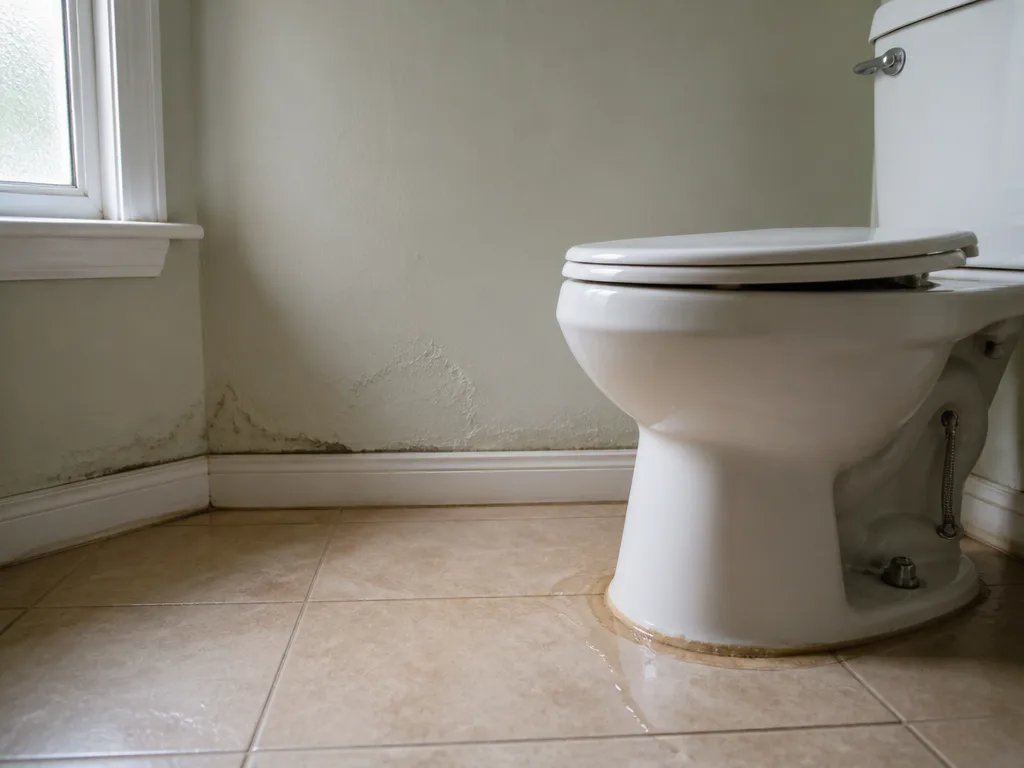
At Cranston Toilet Overflow Cleanup, we see the same pattern again and again. An overflow happens on an ordinary Tuesday, but the damage depends on what the ground, the basement and the air were doing that week. A dry afternoon in July and a soaked week in April leave very different floors behind.
Between 2022 and 2024, NOAA logged 27 damaging-wind reports, 1 hail report, 49 flood reports and 4 tornado reports in Providence County. Most of those never made the news on your street. Still, a flooded yard means saturated soil, and saturated soil means the water has nowhere to go when a drain backs up inside.
Spring rain and the flood-prone basement
Spring is when Cranston gets its heavy, steady rain, the kind that sits for two days. Storm water moves through the municipal system and fills it faster than it can drain. When the street is running high, the lines that feed your house back up too, and a toilet on the lowest level is usually the first fixture to complain.
Homes here were typically built around 1956, and 56% of them predate 1960. Many of those basements have older floor drains, slab edges that have shifted, and concrete that wicks moisture like a sponge. When an overflow lands on that kind of floor, water travels under the flooring and shows up in places you didn't expect, like the back corner of a closet or under the baseboard in the next room.
If you have a spring overflow, here is what helps:
- Shut off the water supply to the toilet before you do anything else.
- Pull up any rugs and set them somewhere that isn't the wet floor.
- Take photos of the water line on the walls and the floor before you start mopping.
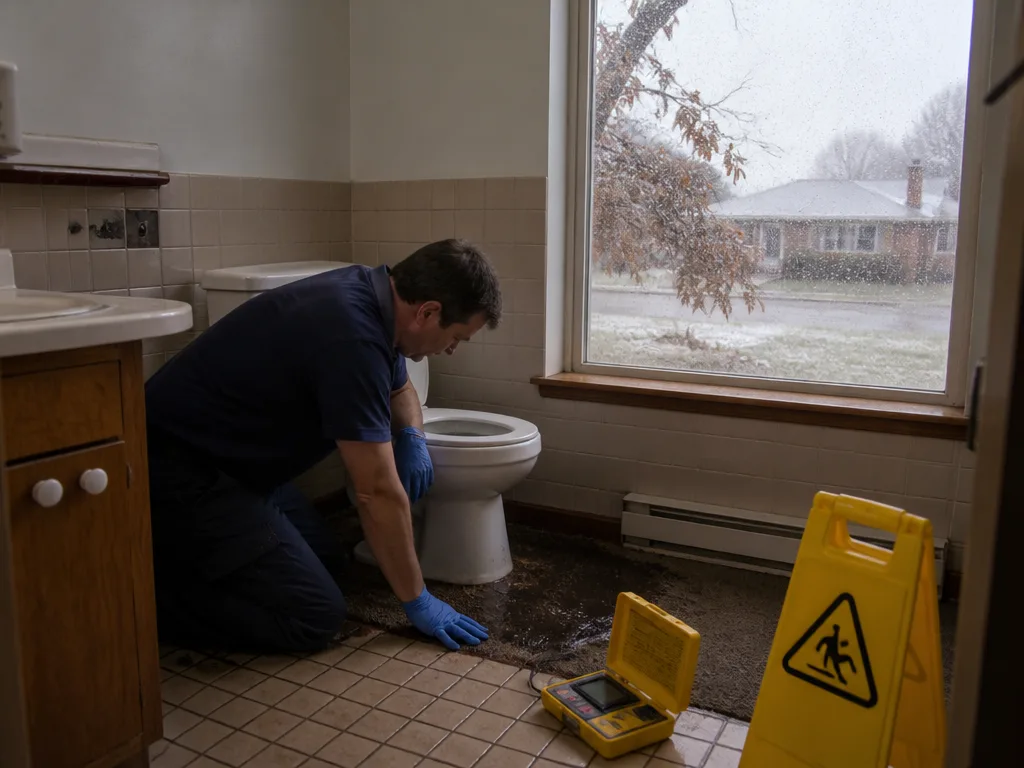
- Call us so a restoration specialist can check the subfloor, not just the surface.
That last step matters most. Surface water is easy to see. What's happening under the boards is not.
Summer heat, humidity and the mold clock
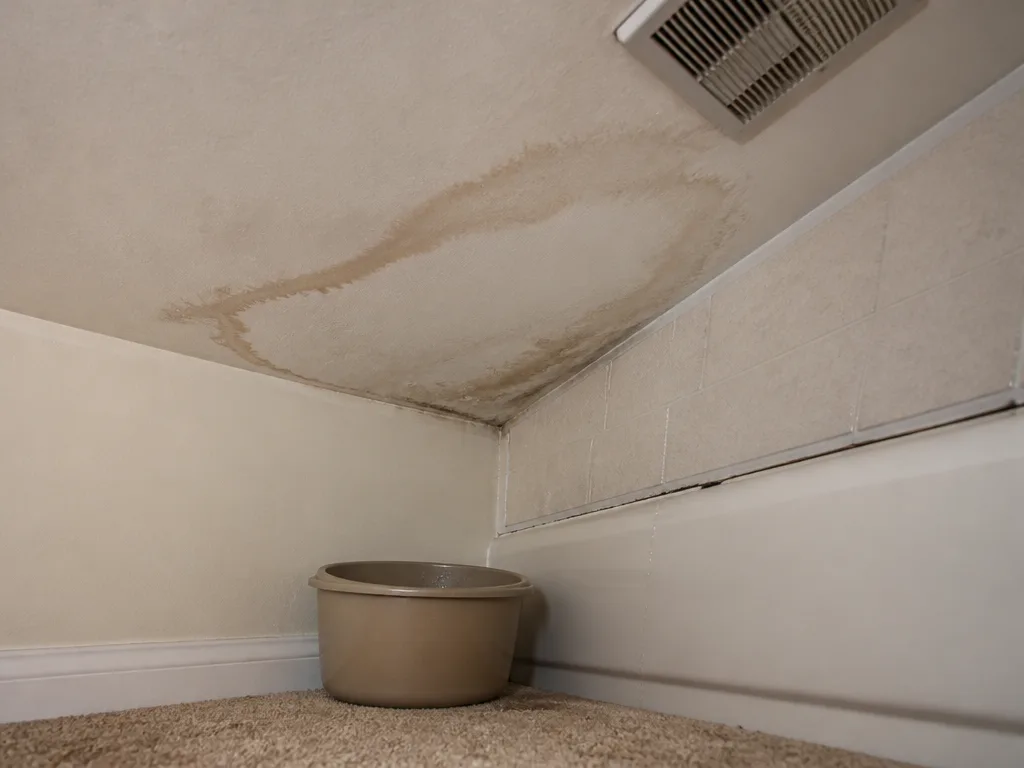
Heat waves are on FEMA's list for good reason. A Cranston July can sit warm and damp for days, and a house that stays closed up during the day holds that moisture like a box. If an overflow soaks into carpet or drywall in July, the clock on mold starts running faster than most homeowners expect.
The practical problem is that people often wait. They think, the floor looks dry, so it must be fine. Then the smell shows up a week later. Moisture trapped under vinyl plank or behind a bathroom wall keeps working long after the visible puddle is gone.
In summer, we suggest focusing on airflow and speed. Open the windows if the outdoor air is drier than the inside air. Run a fan on the affected floor. Do not close the bathroom door and walk away. Get the area drying as soon as possible, and keep track of how the room smells over the next several days.
Summer overflows also tend to come with heavy use. Houses fill up with guests, and bathrooms get busier. A toilet that was fine in June can start running over in August, so it's worth paying attention to slow drains and gurgling sounds before they turn into a flood.
Winter freezes, ice storms and power loss
Cold waves and ice storms are the other side of the Cranston calendar. A January overflow is rarely just about the toilet. When an ice storm knocks out power, a basement pump may stop working, and the water that would normally leave the house has nowhere to go. Homes heated with natural gas, which is about 66% of Cranston homes, still rely on electricity for many of their controls and pumps, so an outage can cause more than one problem at once.
Freezing also affects the cleanup itself. Water pooled near an exterior wall or in a crawl space can freeze, and that ice can lift flooring or crack a subfloor. If you have a winter overflow, try to keep the room above freezing and avoid running hot water over the floor to clean it, since that can warm the area too quickly and make the damage worse.
Electricity-heated homes, about 9% of Cranston, deal with a different set of winter concerns. Many of those homes have baseboard heat and older wiring, so keep the area dry and let a professional look before you plug anything back in near wet floors.
Planning for the next storm without overthinking it
Most homeowners in Cranston own their homes. About 65% of residences here are owner-occupied, and the typical home is valued around $386,300. That means the floor you're standing on is probably the biggest asset you've got, and it's worth protecting. Median household income is about $88,500, so a restoration decision is usually a serious one for a family budget too.
Start with a few simple habits. Learn where your main shutoff is for the toilet and the house. Keep a flashlight and a wet vacuum in an easy-to-reach spot. Check the seal around the base of the toilet once a season, especially after a hard freeze or a long rain. These steps won't stop every overflow, but they shorten the window between the mess and the cleanup.
When an overflow does happen, call Cranston Toilet Overflow Cleanup. Tell us the season, what the water touched, and whether the room stayed wet overnight. Our team will talk through what needs to happen next, and you can decide the right next step with real information in hand. Give us a call anytime you're dealing with water on a Cranston floor, and we'll help you figure out where to start.