Gurgling Drains and Bubbling Water
Most overflows don't start with a flood. They start with a noise. If your toilet or the tub next to it gurgles after you flush, that's air being pushed back up through the drain because something downstream is partly blocked. In older Cranston homes, especially the ones with cast iron lines that have been around since the mid-1900s, that blockage is often grease, paper buildup, or roots that worked their way into a joint.
Pay attention to which fixture reacts. A gurgle in the bathtub when you flush the toilet points to a different spot than a bubbling toilet when the washing machine drains. Write it down if you have to. When you call someone out, telling them "the tub burps when the upstairs toilet flushes" saves time.
Don't try to fix a gurgle by running more water through the line. That usually pushes the problem further in and can leave you with water sitting in the bowl and on the floor.
Slow Drains That Get Slower
One slow toilet is annoying. A slow toilet that's getting slower every week is a warning. The water level in the bowl may rise a little after each flush before it drops, or it may take two or three flushes to clear. That pattern usually means the trap or the branch line is narrowing, and the next heavy use, like a shower and a load of laundry at the same time, is when it gives out.
Watch for the bowl filling close to the rim. If it reaches the rim and then slowly drops, you're already in the danger zone. Stop flushing and shut the water valve behind the toilet if you can reach it.
Water on the Floor, Walls, and Ceiling Below
Damp spots are where the real damage starts, and they're easy to miss. Check these places regularly:
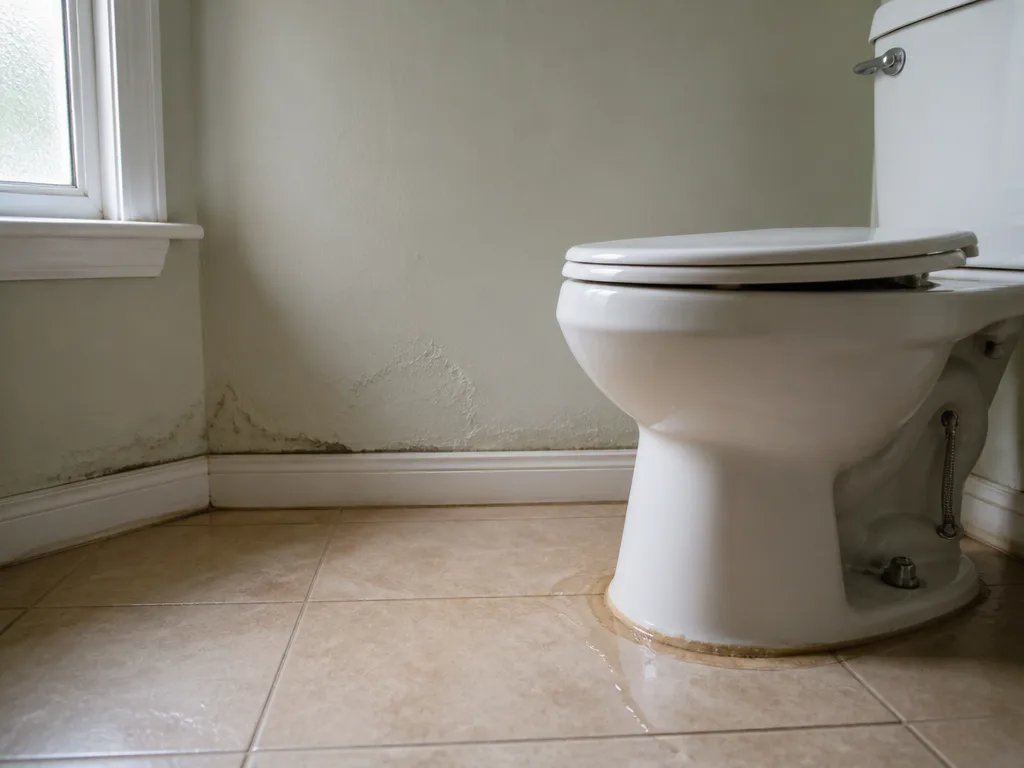
- The base of the toilet, where a thin line of moisture or a soft spot in the subfloor signals a wax ring or seal that has given up
- Baseboards near the bathroom door, which can look fine on top but feel spongy when pressed
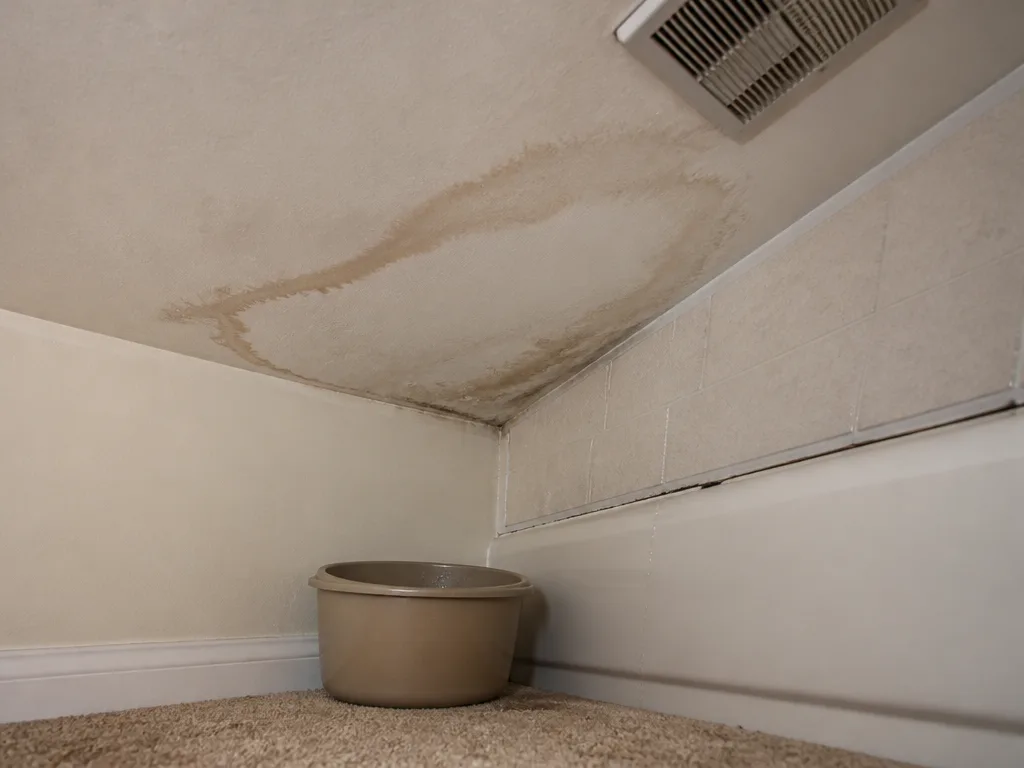
- The ceiling of the room below, especially if you have a bathroom directly over a kitchen or finished basement
- Paint that bubbles, peels, or turns a yellowish brown near the tub or toilet wall
A musty smell is another one. If the bathroom or the room under it smells like a basement even after you've cleaned, moisture is hiding somewhere. Old Rhode Island humidity in summer makes this worse, because wet materials dry slowly and mold can start within a couple of days.
Repeated Clogs and Multiple Fixtures Acting Up
If you've plunged the same toilet three times this year, the clog isn't the real problem. It's coming back because something further along the line keeps catching debris. Two or more fixtures backing up at once, like the basement floor drain and the upstairs shower, almost always points to the main line or a shared vent, not a single fixture.
Be honest with yourself about what's going down the drain. Wipes labeled "flushable" are one of the most common causes we see in Cranston, even though they don't break down the way toilet paper does. Feminine products, cotton swabs, and hair from shower drains do the same thing over time.
Sewer Smell at the Toilet or Floor Drain
A rotten-egg or sewage smell that comes and goes is often a dry trap or a partial blockage letting gas back into the house. A smell that stays put, especially near the toilet base, can mean a seal has failed and waste is slowly leaking into the subfloor. Neither one should wait until the weekend.
What to Do in the First Hour
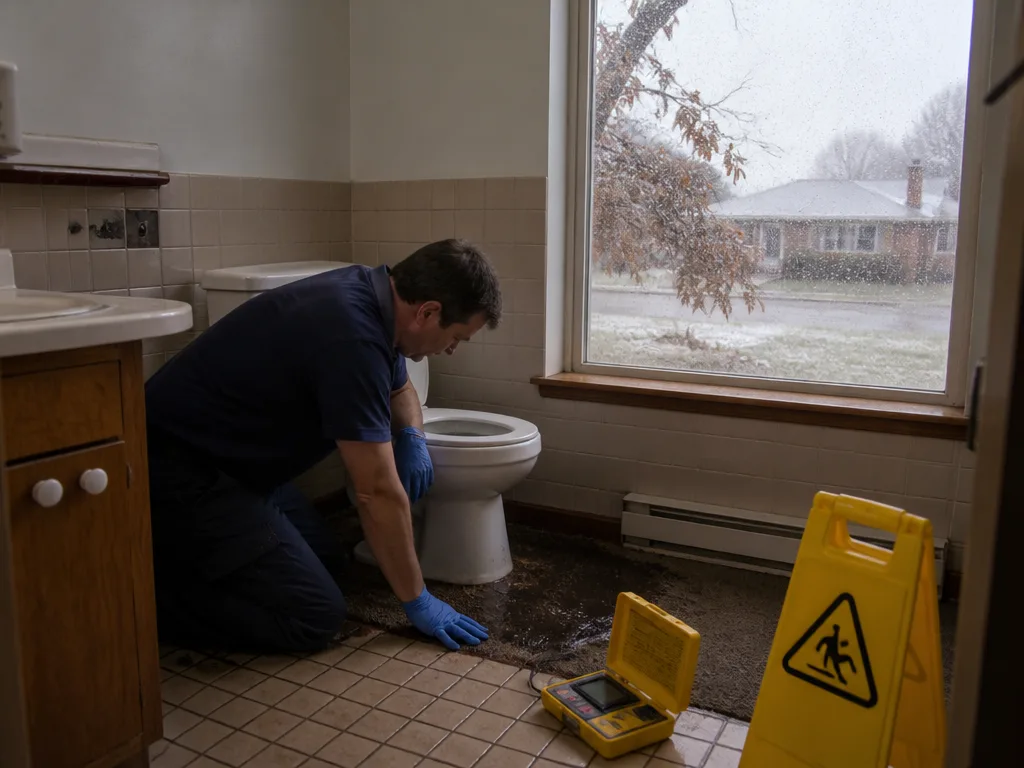
Once you see any of these signs, do three things. First, stop using every fixture on that line, including the dishwasher and washing machine if they drain into it. Second, shut the toilet's water supply valve, which is the small oval handle or flat-head valve on the wall or floor behind the toilet. Third, take photos of any staining, pooled water, or damaged flooring before you touch anything. Those photos help whoever comes out understand how far the water traveled.
Keep towels and a shop vac nearby if you have them, but don't try to pull up flooring or cut drywall yourself. Moisture trapped under vinyl or inside a wall keeps spreading for days, and disturbing it early can make the cleanup bigger.
When to Call Cranston Toilet Overflow Cleanup
If you're seeing standing water, soft floors, or a sewage smell, call Cranston Toilet Overflow Cleanup at the phone number on our site. A member of our team will ask a few questions about what you're seeing, where the water went, and which fixtures are affected, so the restoration specialist who comes out knows what to bring. Same-week scheduling is often possible, but the sooner you call after an overflow, the less material usually has to come out.
Cranston homes, from the older ranches off Park Avenue to the split-levels in the neighborhoods near Garden City, all deal with these same warning signs. The pattern is almost always the same: a small symptom, then a bigger one, then a surprise ceiling stain. Catching the first sign is the cheapest way through it.