If you've lived in Cranston for any length of time, you already know how the humidity sits on a house in July. It hangs around the basement stairs and creeps into the bathroom after a long shower. Older homes around Edgewood, Auburn, and the Garden City area have plenty of character, but they also have plenty of places where water likes to hide. Most of the calls we get start with a small problem that nobody noticed for a few weeks.
This checklist is what we walk through with neighbors when they ask how to keep things dry. None of it is complicated. You don't need special tools or a weekend project. You need about an hour, a flashlight, and a willingness to look under the sink, which is where most trouble starts.
Start with the spots that get wet without anyone noticing
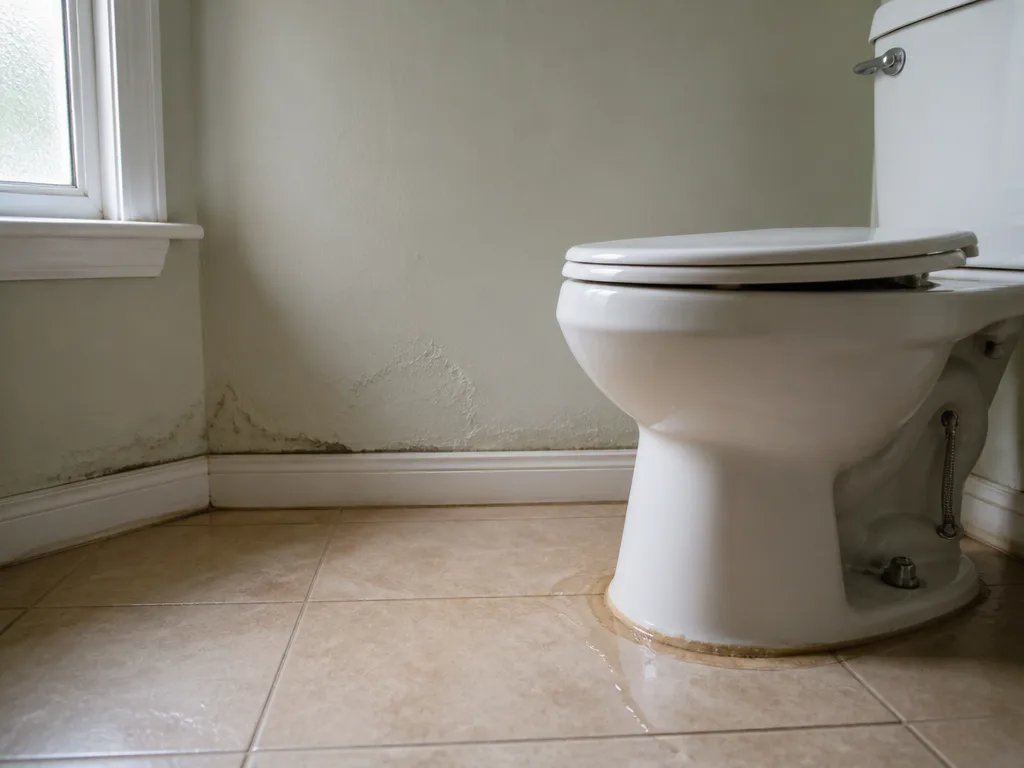
Water damage rarely announces itself. A toilet that leaks slowly from the base can soak the subfloor for months before the vinyl starts to lift. So begin with the fixtures you use every day.
- Check the base of every toilet in your home. Press a dry paper towel around the seal and look for dark rings or a faint crust of mineral residue.
- Look at the flexible connector that runs from the wall to the bottom of each toilet tank. These cheap braided lines get brittle over time, and a hairline crack can drip for weeks.
- Open the cabinet under every sink and feel the wood at the back wall. Soft, spongy, or slightly warped panels mean moisture has been sitting there.
- Run each shower and tub for a few minutes, then check the caulk line where the tile meets the tub edge. Gaps let water slip behind the wall.
Do this once a season, and write the date on the cabinet door with a marker. It sounds fussy, but a dated note makes it much easier to spot change from one check to the next.
Keep the toilet from overflowing in the first place
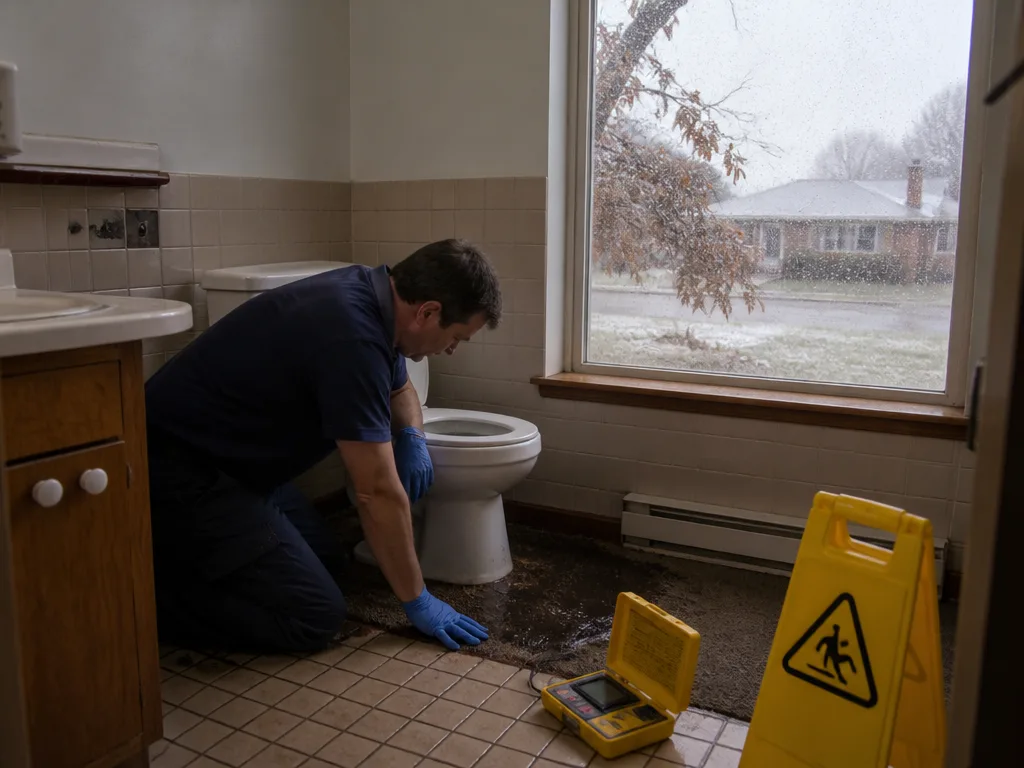
A toilet overflow is the most common emergency we see in Cranston homes, and it is usually preventable. The bowl fills with water, the float gets stuck, and suddenly there's a flood across the bathroom floor and into the hallway. Most of the time the fix is simple.
Lift the tank lid and watch the water level while the toilet refills. The water should stop about an inch below the top of the overflow tube. If it climbs higher, adjust the float arm or fill valve so it shuts off sooner. If the float is cracked or the arm keeps sticking, replace the part before it fails at midnight.
Also watch what goes down the line. Flushable wipes, cotton swabs, and paper towels are the usual culprits behind a slow drain that turns into a backup. If a toilet gurgles or drains slowly after a normal flush, don't keep plunging it harder. Stop flushing, shut off the water at the valve behind the toilet if it's safe to do so, and call someone to clear it before it reaches the floor.
Tip for households with kids: put a small sign near the toilet that says only toilet paper goes in. It works better than you'd think.
Control the moisture that builds up quietly
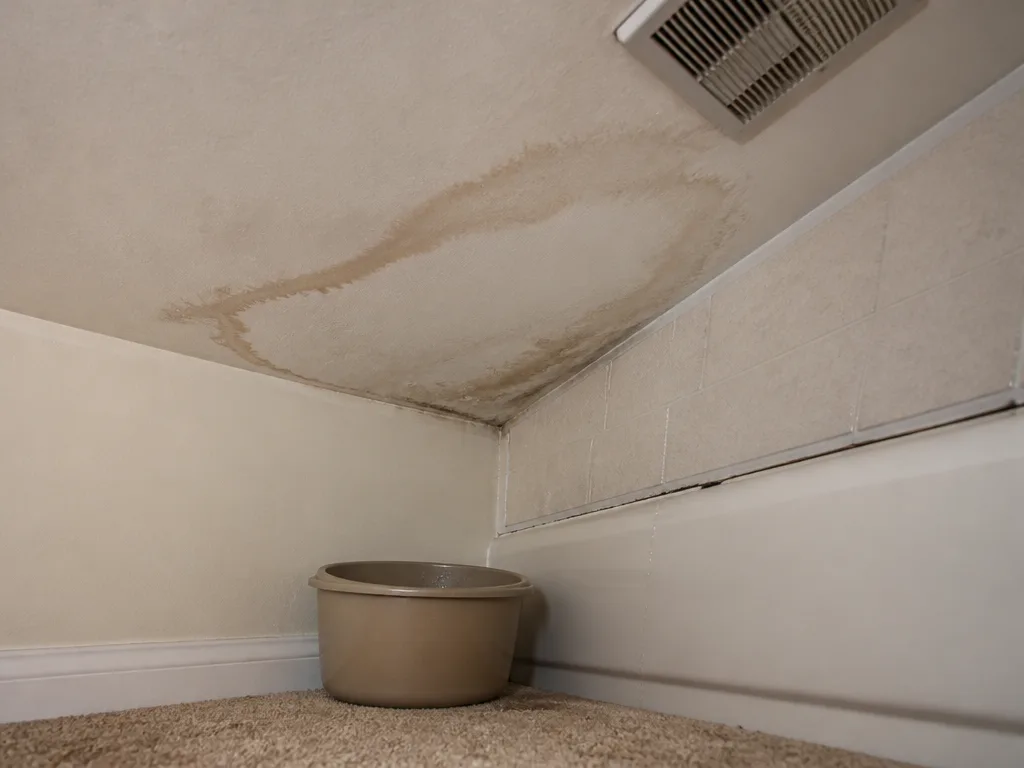
Rhode Island humidity is no joke. Summer nights can leave bathrooms and basements sitting at dew point for hours, and that dampness feeds mold, warps trim, and softens drywall from the inside out. A few habits change that picture.
Bathrooms
Run the exhaust fan during every shower and for at least twenty minutes after you step out. If your fan is loud but barely moves air, hold a square of toilet paper up to the vent. If it doesn't pull toward the grille, the duct may be clogged or the fan is undersized, and that's worth fixing.
Basements and crawl spaces
Keep a hygrometer on a shelf down there. Readings consistently above 60 percent mean the air is holding more water than you want. A dehumidifier set around 50 to 55 percent often solves the problem, but empty the bucket or connect it to a drain so it doesn't run dry or overflow on its own.
Check the grade outside your foundation too. Soil that slopes toward the house sends rainwater straight to the wall. Gutters that dump right beside the foundation do the same thing, so extend the downspouts a few feet away from the house.
Build a simple routine your household will actually follow
A checklist only works if people use it. The most successful homeowners we know keep it short and assign each task to a specific person or day. Some families put a reminder on the calendar for the first Saturday of each season. Others tie it to changing the smoke detector batteries, since that habit already exists.
Keep a small notebook or a note on your phone with three columns: what you checked, what you found, and what you fixed. When something looks different from last time, you'll notice it right away. Water problems almost always show up as a change, not a sudden disaster.
Think about the areas that are hardest to see. The space behind the washing machine, the corner of the laundry room, and the back of a hall closet with an old supply line are easy to forget. Pull the machine out once a year and look. It takes ten minutes.
If you find dampness that won't dry out, a stain that keeps coming back, or a musty smell that doesn't go away after you've run the fans, don't wait for it to get worse. Water that sits behind walls or under flooring can spread farther than it looks from the surface. Give us a call, describe what you're seeing, and we'll talk through next steps with you. Cranston Toilet Overflow Cleanup works with homeowners across the city and in nearby towns, and a phone call is the fastest way to get your questions answered.